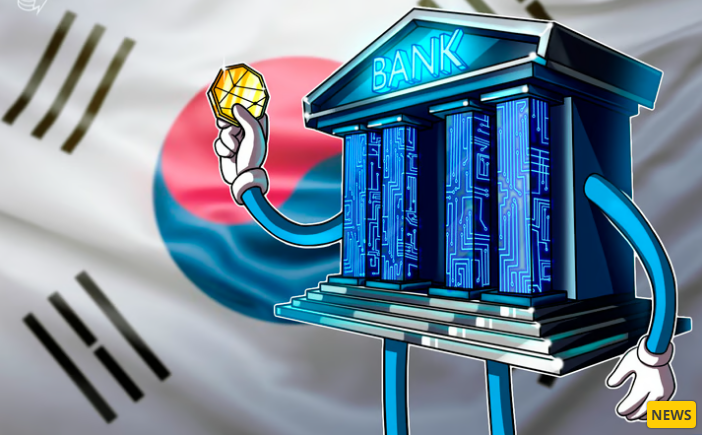
South Korea’s central bank is not opposed to launching a won-pegged stablecoin, but its governor has expressed concern over the foreign exchange (forex) implications.
According to Reuters, Bank of Korea Governor Rhee Chang-yong said that while a won-based stablecoin could be beneficial, it might increase demand for dollar-backed stablecoins, complicating forex management.
“Issuing a won-based stablecoin could make it easier to exchange them with dollar stablecoins… That could increase dollar demand,” Rhee explained.
📉 Declining Forex Reserves Spark Concern
The concern comes as South Korea’s forex reserves dropped from $415.6 billion in December to $404.6 billion in May — a $11 billion decline in just six months.
With limited reserves and high exposure to the dollar, the central bank is being cautious about introducing new instruments that could amplify dollar outflows.
🏛️ Regulatory Support Grows Under President Lee
South Korea’s new president, Lee Jae-myung, is pushing forward a crypto-friendly regulatory framework. On June 10, his Democratic Party introduced the Digital Asset Basic Act, which allows:
-
Companies with at least $368,000 equity capital to issue stablecoins
-
Mandatory reserves backing to ensure user refunds
-
Regulatory oversight from the Financial Services Commission (FSC)
🧾 The FSC is also investigating transaction fees on domestic exchanges to lower trading costs — a campaign promise by Lee aimed at younger traders.
🌍 Non-USD Stablecoins on the Rise
While USD-backed stablecoins like Tether (USDT) and Circle’s USDC dominate the market, there is growing global interest in non-dollar options.
Circle’s euro-backed EURC saw its market cap surge 156% to $203 million this year, reflecting rising demand for alternative-pegged tokens.
💡 Why a Won-Stablecoin Matters
A won-based stablecoin could:
-
Boost domestic digital payments
-
Reduce dependence on USD-backed tokens
-
Help South Korea compete in the evolving global digital finance sector
However, the central bank’s caution reflects a valid concern: too much cross-exchange between KRW and USD stablecoins could pressure the forex balance and complicate monetary policy.
South Korea’s careful but progressive approach to crypto regulation could set a model for balancing innovation with macroeconomic stability.
For more insights into global stablecoin regulation and crypto policy shifts, visit https://cryptodicenews.blog