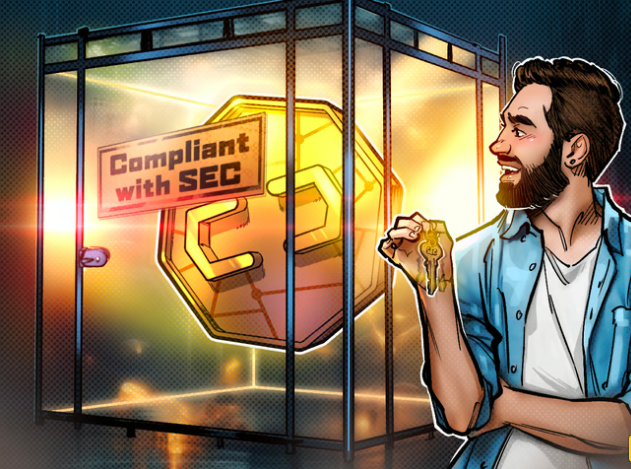
On May 29, 2025, the U.S. Securities and Exchange Commission (SEC) released new guidance that reshapes how crypto staking is viewed under U.S. law — and it’s a game-changer for validators, investors, and platforms alike.
The SEC now formally recognizes protocol staking tied to a blockchain’s consensus mechanism as not a securities offering. This includes solo staking, delegated staking, and custodial staking — giving much-needed clarity and protection for U.S. participants in proof-of-stake (PoS) networks.
🔍 What’s Now Allowed: Staking That’s Compliant
The SEC’s guidance outlines staking scenarios that are safe and legal:
-
Solo staking: You run your own node and validate blocks yourself while keeping full control of your crypto. This is allowed and not considered a security.
-
Delegated staking (non-custodial): You delegate your tokens to a validator but retain control over your assets. Legal and compliant.
-
Custodial staking: Exchanges can stake on behalf of users only if assets are held transparently and used solely for network validation — not for lending or speculation.
-
Running validator nodes: Operating a node and earning rewards for validating transactions is treated as providing technical services, not investing.
🚫 What’s Still Not Allowed
While the SEC has opened the door to legal staking, it drew a firm line on these still-restricted activities:
-
Yield farming and ROI-guaranteed DeFi schemes
-
Staking-as-a-cover for crypto lending
-
Opaque, bundled DeFi products promising fixed returns
These models often promise profits from the work of others and still fall under securities law via the Howey Test.
🛡️ Best Practices for Legal Staking in 2025
To stay compliant:
-
✅ Only stake in ways that support network consensus
-
✅ Disclose custody arrangements clearly
-
✅ Never promise fixed returns
-
✅ Ensure services are administrative, not investment-driven
-
✅ Use clear contracts and get legal review before launching
🧩 Why This Is a Big Deal
This is more than legal clarity — it’s a green light for growth. With staking rewards now viewed as compensation for service, U.S. validators, exchanges, and retail users can safely participate in PoS networks like Ethereum, Cosmos, and XDC.
“The SEC’s framework finally distinguishes true protocol staking from risky DeFi products,” said crypto legal analyst Mark Liu. “This opens the door to safe institutional adoption.”
📈 PoS Ecosystems Just Got a Boost
These guidelines:
-
Encourage institutional involvement
-
Support retail participation
-
Validate PoS blockchain designs
-
Foster decentralization and network security
By separating staking from securities law, the SEC has created a scalable, legally sound foundation for staking in the U.S.
For deeper insights into staking trends and crypto regulations, visit https://cryptodicenews.blog