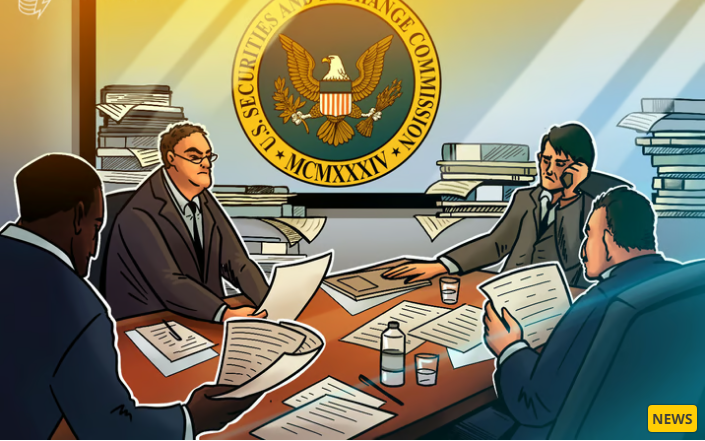
Major U.S. banking groups have taken a bold stand against a key cybersecurity rule from the Securities and Exchange Commission (SEC)—a move that could impact how crypto companies like Coinbase handle future attacks.
In a recent letter to the SEC, five prominent financial organizations, led by the American Bankers Association, urged the regulator to repeal its 2023 rule requiring companies to publicly report cybersecurity incidents within four days. The groups claim the rule undermines both national security and investor confidence.
They argue that quick public disclosures can interfere with criminal investigations, confuse markets, and even serve as tools for cybercriminals. In fact, some ransomware groups now use disclosure threats as part of their extortion tactics.
For crypto investors, this debate has real consequences.
Take Coinbase, for example. The crypto giant recently revealed that hackers had bribed support staff to gain access to user data. Coinbase refused to pay a $20 million ransom and is now facing at least seven lawsuits. The damage could cost the company up to $400 million.
Critics of the SEC rule say that without the forced four-day disclosure timeline, companies like Coinbase could better manage such incidents without public panic or legal fallout. They want the SEC to remove “Item 1.05” from Form 8-K and 6-K reporting rules—forms used to alert investors about key company events.
The banking groups argue that the existing rules already allow for material disclosures when necessary, including those involving cybersecurity. They claim this older system is more flexible and secure.
But here’s the twist: the crypto industry, known for its fast pace and digital-native operations, may benefit more than traditional sectors if the rule is revoked. With fewer legal traps and more time to respond to cyber threats, crypto companies could move faster—and smarter.
Still, not everyone agrees. Some say transparency builds trust in the market, especially in an industry recovering from scandals and hacks. Others warn that fewer disclosures might hide real risks from investors.
What happens next will shape the way the crypto world handles future threats.
Will regulators protect the public by forcing openness, or will they shift to a quieter, behind-the-scenes approach? For now, the battle between banks, the SEC, and crypto firms is heating up—and investors should pay attention.
👉 Stay updated with more crypto insights at Crypto Dice News